Locked out in a parking lot before work, key snapped in the ignition, fob stopped responding outside school pickup – this is when an emergency car locksmith matters. You do not need a long process, a tow truck, or a dealership delay. You need someone who can come to your location, assess the problem quickly, and get your vehicle accessible and usable again.
Most drivers do not think about a locksmith until the problem is urgent. That makes speed important, but speed alone is not enough. Automotive locks, transponder keys, remote fobs, and modern ignition systems require specialist tools and real experience. A general locksmith may handle a house lock well, but vehicle security systems are a different job.
What an emergency car locksmith actually does
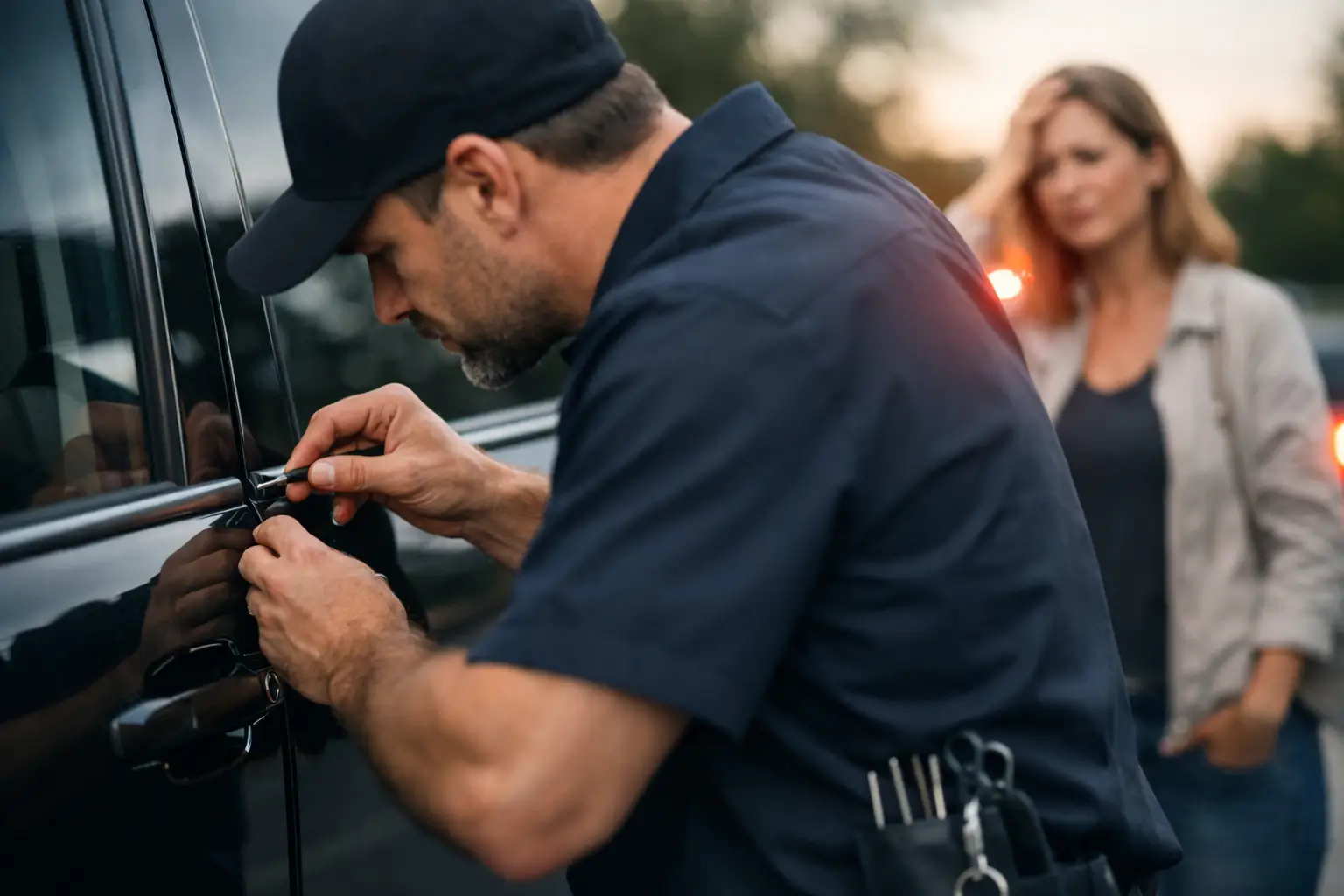
An emergency car locksmith deals with urgent vehicle key and lock problems on-site. That can mean unlocking a car without damage, replacing a lost key, extracting a broken key from a door lock or ignition, repairing a damaged lock, or programming a replacement fob so the car starts normally.
For many drivers, the biggest benefit is avoiding dealership wait times. If your only key is gone or damaged, waiting days for an appointment is not much help. A mobile specialist can often resolve the issue where the vehicle is parked, whether that is at home, at work, on the roadside, or outside a store.
The right solution depends on the car and the fault. Some lockouts are straightforward. Others involve dead batteries in smart keys, damaged blades, failed ignition barrels, or anti-theft programming issues. That is why a proper diagnosis matters before any work starts.
When to call an emergency car locksmith
Some situations are obvious. If your keys are locked inside the car and you cannot get in, you need help now. The same applies if your key is lost and you have no spare, or if the key breaks off while turning in the door or ignition.
Other cases are less dramatic but still urgent. Maybe the remote unlock stopped working and the manual key will not turn. Maybe the ignition feels jammed. Maybe your key is bent, cracked, or only works after several attempts. Those are warning signs that often turn into full breakdowns at the worst time.
If you rely on your vehicle for commuting, school runs, appointments, or work calls, delay usually makes the disruption worse. A tradesperson with tools in a locked van, a parent stranded with children, or a commuter stuck before an early shift all need the same thing – a fast, practical fix that gets them moving again.
Common problems we see
Lost car keys are one of the most common callouts, especially when drivers only had one working key to begin with. Lockouts are just as common, often happening during rushed errands or while loading the trunk. Broken keys and worn fobs also show up regularly, especially on older vehicles or keys that have been taped, glued, or held together for too long.
Ignition problems are another area where specialist help makes a difference. A key that will not turn is not always a key issue alone. Sometimes the ignition barrel is worn, damaged, or blocked by broken key fragments. Replacing the key without checking the ignition can waste time and money.
Why mobile service matters in an emergency
When your car will not open or start, bringing the problem to a shop is often not realistic. A mobile locksmith brings the cutting, programming, diagnostic, and entry tools to you. That saves time, avoids towing costs in many cases, and shortens the gap between the problem and the fix.
It also makes the process simpler. Instead of arranging transport, confirming parts, and waiting on callbacks, you get direct service where the vehicle is. For urgent situations, that convenience is not just nice to have. It is the difference between losing a full day and getting back on schedule.
For drivers in a large city, response time matters even more. Traffic, work commitments, parking restrictions, and school schedules do not leave much room for delays. That is why local coverage and emergency availability are so important.
Emergency car locksmith vs dealership
A dealership has its place, especially for warranty work or highly specific manufacturer issues. But for lockouts, key replacement, key programming, and many ignition or lock problems, it is often the slower route.
Dealerships usually require appointments, proof of ownership checks, and in some cases a vehicle recovery process before work even begins. That can be reasonable from their side, but it is not ideal when you are stranded. A mobile automotive locksmith is built around immediate callouts and on-site problem solving.
Cost is another factor. Dealership pricing can be higher, especially once towing, waiting time, and limited service flexibility are added in. A locksmith is not always cheaper in every case, but for many urgent problems the value is better because the solution is faster and more direct.
The trade-off is that not every locksmith handles every vehicle equally well. Some cars require advanced programming capability, specialist equipment, or experience with specific makes. That is why it helps to choose a dedicated automotive locksmith rather than a general lock service.
What to expect when you call
A professional emergency service should ask a few key questions first. They will usually want the vehicle make, model, year, your location, and a clear description of the problem. If the key is lost, locked inside, broken, or not turning, say so. The more accurate the information, the easier it is to bring the right tools and quote the job properly.
You should also expect proof of ownership to be checked before access or key replacement is completed. That protects both the customer and the technician. Legitimate locksmiths do not skip this step just to save a few minutes.
Once on-site, the technician should inspect the issue before starting work. If it is a lockout, they should use non-destructive entry methods whenever possible. If a key needs replacing, they may cut a new blade, program a transponder, test the remote functions, and confirm the vehicle starts correctly before leaving.
Clear pricing matters here. Emergency work can vary depending on the car, key type, and level of damage, but you should know what you are paying for. Straight answers build trust fast, especially when the customer is already under pressure.
How to avoid needing emergency help again
The best emergency is the one you never have. If you only have one working key, getting a spare made is usually the smartest step you can take. It costs less than dealing with a lost-all-keys situation, and it gives you options when life gets busy.
It is also worth replacing damaged keys before they fail completely. A cracked shell, loose blade, weak buttons, or intermittent starting issues are all signs that the key is on borrowed time. The same goes for locks and ignitions that feel stiff or inconsistent.
Battery issues in remote fobs are another simple fix that many drivers put off. If the range is getting shorter or the remote only works sometimes, service it early. Small problems are usually cheaper and faster to handle before they become roadside problems.
Choosing the right emergency car locksmith
Not all locksmith services are set up for automotive emergencies. Look for a provider that focuses on vehicle access and keys, offers mobile response, and has the equipment to cut and program modern car keys on-site. Experience matters, but so does how the service communicates.
You want a company that answers clearly, explains the likely process, and gives realistic timing. Overpromising helps no one. Good technicians know that some jobs are quick and some depend on vehicle security systems, lock condition, or part availability.
If you are in London and need direct, on-site help, Auto Tech Car Keys is built around exactly these situations – fast response, practical solutions, and experienced technicians who handle vehicle key and lock problems without unnecessary delay.
When your day stops because of a key or lock issue, the right help should make things simpler, not more stressful. An emergency car locksmith is there to get you back into your car, back on the road, and back to normal as quickly as the problem allows.