
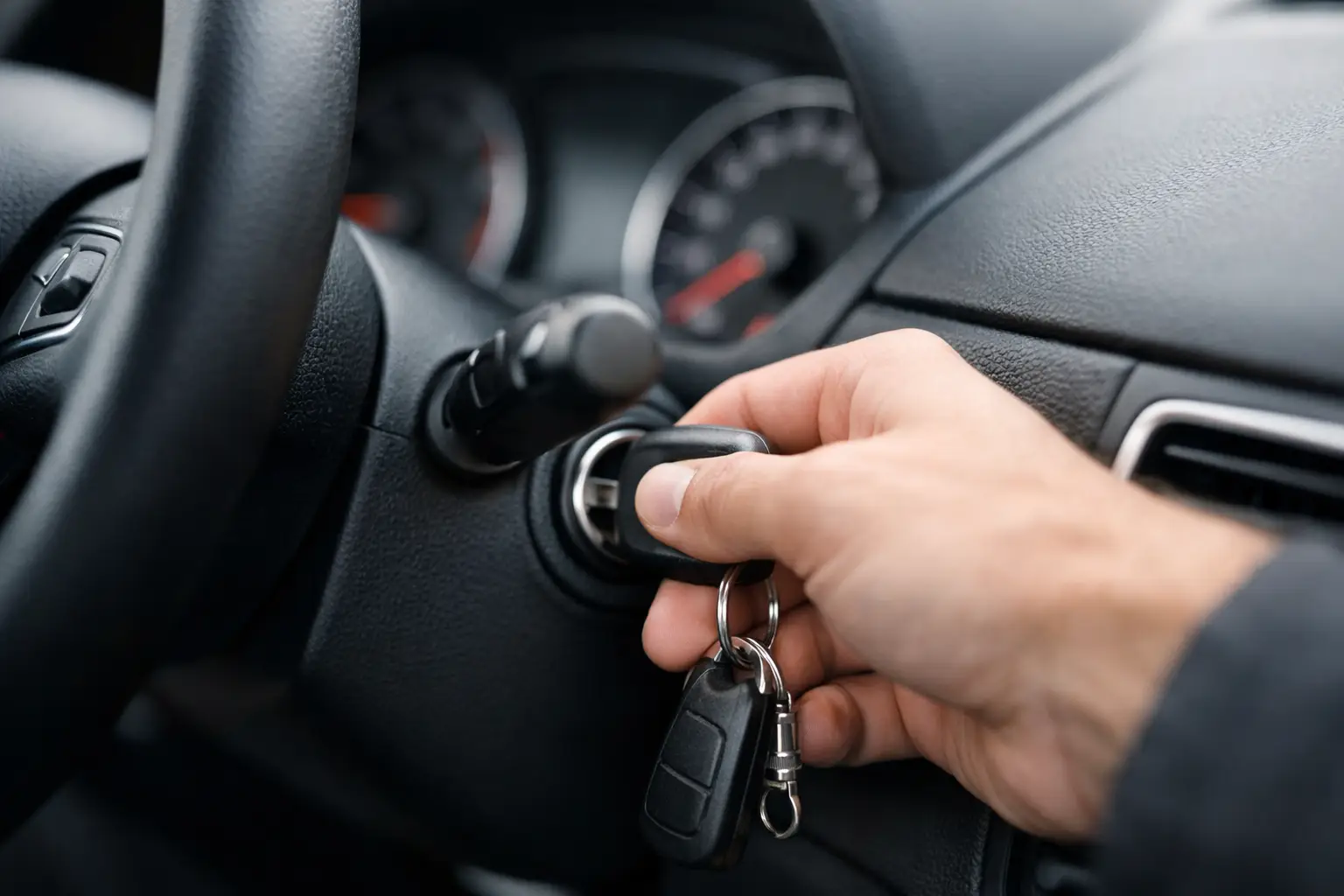
You turn the engine off, reach for the key, and it will not come out. If you are searching for how to remove key from ignition, the first thing to know is this – forcing it usually makes the problem worse. A stuck key can be caused by something simple, like the steering wheel lock or gear position, or something mechanical inside the ignition cylinder that needs expert repair.
The right move is to work through a few safe checks in order. That gives you the best chance of getting the key out without snapping it, damaging the ignition, or turning a small fix into a bigger bill.
How to Remove Key From Ignition Without Causing Damage
Start by staying gentle. If the key still turns, or almost comes out, that tells you the ignition may not be completely seized. Use light pressure only. If the key feels jammed solid, stop testing it aggressively.
The most common issue is that the vehicle is not fully in Park. In an automatic, press the brake firmly and move the shifter all the way into Park again. Sometimes the gear selector looks right but has not fully engaged. Once it is set, try turning the key fully to the off position and pulling it out with a steady, light motion.
If you drive a manual, make sure the ignition is completely off and the steering wheel is not loaded against the lock. A little pressure from the wheel can trap the key in place.
Next, check the steering wheel. If the front wheels were turned when you shut the car off, the steering lock may be holding tension on the ignition. Hold the wheel and gently turn it left and right. It will usually move a little in one direction. While holding slight pressure on the wheel, try turning the key back to the full off position and easing it out.
This step fixes a lot of stuck-key calls because the problem is not the key itself. It is pressure in the steering lock assembly.
Check the Key Before You Keep Trying
A worn or bent key can stick inside the ignition even when the barrel is fine. Look at the blade closely. If it appears twisted, cracked, heavily worn, or rough along the edges, do not keep yanking on it. That is how keys snap, and a broken piece inside the ignition is a more involved job.
If you have a spare key, this helps with diagnosis, but only if the first key is already out. Do not try to force a damaged key free by wiggling it hard or pulling it with tools. Pliers, screwdrivers, and similar household fixes often scar the blade or damage the ignition face.
If the key fob is heavy or attached to a large bundle of keys, take the extra weight off while you work. Over time, heavy keychains can wear the ignition and make sticking more likely.
Try a Controlled Wiggle, Not a Forceful Pull
There is a difference between easing a key free and fighting with it. A safe method is to hold the key head firmly, apply very light outward pressure, and gently wiggle it up and down or side to side by a tiny amount while making sure it is in the full off position.
What you are trying to do is align the wafers or pins inside the ignition cylinder. What you are not trying to do is rip the key out. If the key does not respond after a few careful attempts, repeated wiggling will not usually solve it. At that point, the risk starts to outweigh the benefit.
A small amount of movement is a good sign. A grinding feel, a sticking point, or the sense that the key might twist is a sign to stop.
Electrical and Shifter Problems Can Keep the Key Trapped
On many vehicles, the key release is connected to a shift interlock system. If that system does not recognize the car is in Park, the key may stay locked in the ignition. This can happen because of a weak battery, a faulty brake switch, a worn shifter assembly, or an interlock problem.
If the dashboard is behaving oddly, the battery is flat, or the gear selector feels loose, the issue may not be in the ignition barrel at all. That matters because trying harder at the key end will not fix a shifter or electrical fault.
Some drivers notice the key comes out only after they move the shifter slightly forward while it is in Park. That can point to wear in the gear selector mechanism. It may get you out of immediate trouble once, but it is still worth having checked before it leaves you stranded.
When Lubricant Helps and When It Does Not
People often reach for spray lubricant straight away. Sometimes that helps, but only in the right situation and with the right product. A dry graphite-based lock lubricant can help if the ignition cylinder is sticking internally. Heavy oil-based sprays can attract dirt, gum up the mechanism, or interfere with electrical parts around the ignition on some vehicles.
If you are not sure what your vehicle uses, caution is the better choice. One quick spray might seem harmless, but the wrong product can create a longer-term issue. If the key is badly worn, the cylinder is damaged, or the steering lock is under pressure, lubricant is not the real fix anyway.
Signs the Ignition Barrel May Be Failing
If this is not the first time the key has stuck, pay attention to the pattern. An ignition barrel often gives warning signs before it fully fails. The key may be harder to insert, tougher to turn, or only removable after several attempts. You may also notice the steering lock feels rough or the key works better in one position than another.
That kind of wear rarely improves on its own. It usually gets worse until the key jams completely, the ignition stops turning, or the key breaks. If your car is already showing these symptoms, getting the key out today is only part of the job. The ignition likely needs repair or replacement to prevent a repeat.
When to Stop and Call a Locksmith
There is a point where trying to save money can cost more. If the key is bent, cracked, half-turned, or feels like it might snap, stop. The same goes for keys stuck in a damaged ignition, keys that will not turn back fully, or situations where the steering wheel and ignition both feel locked tight.
A specialist automotive locksmith can usually diagnose whether the problem is the key, the ignition cylinder, the steering lock, or the shift interlock. More importantly, they can remove the key with the right tools and, if needed, repair the fault on-site. That is often much faster than arranging a tow and waiting on a dealership process.
For drivers dealing with this in South London, especially when the car is stuck at home, at work, or roadside, a mobile auto locksmith is often the most practical option because the diagnosis and repair happen where the vehicle is parked.
How to Prevent a Stuck Key in the Future
Most stuck ignition situations start with wear. Keeping your key in good condition helps. If it is visibly worn, get it copied before it becomes unreliable. Use a lighter keychain so the ignition is not carrying extra weight every time you drive.
If the ignition has started feeling rough, do not wait for a full failure. Early attention usually means a simpler repair. The same goes for gear selector issues. If you have to jiggle the shifter to release the key, the problem is already developing.
It also helps to be consistent when parking. Bring the vehicle to a complete stop, shift fully into Park, switch the ignition fully off, and avoid leaving heavy pressure on the steering wheel against the curb.
What Not to Do When a Key Is Stuck
The biggest mistakes are force and improvisation. Do not yank the key with pliers. Do not hammer the ignition. Do not flood the barrel with random spray products. And do not keep twisting a bent key because it still looks like it might work one more time.
Those choices often turn a removable key into a broken extraction, or a worn ignition into a full replacement. A calm, careful approach gives you the best chance of a clean fix.
If you need to know how to remove key from ignition, the answer depends on why it is stuck in the first place. Sometimes it is a quick correction with the steering wheel or shifter. Sometimes it is a warning that the key or ignition is failing and needs professional attention. The smart move is knowing the difference before a bad day gets more expensive.