
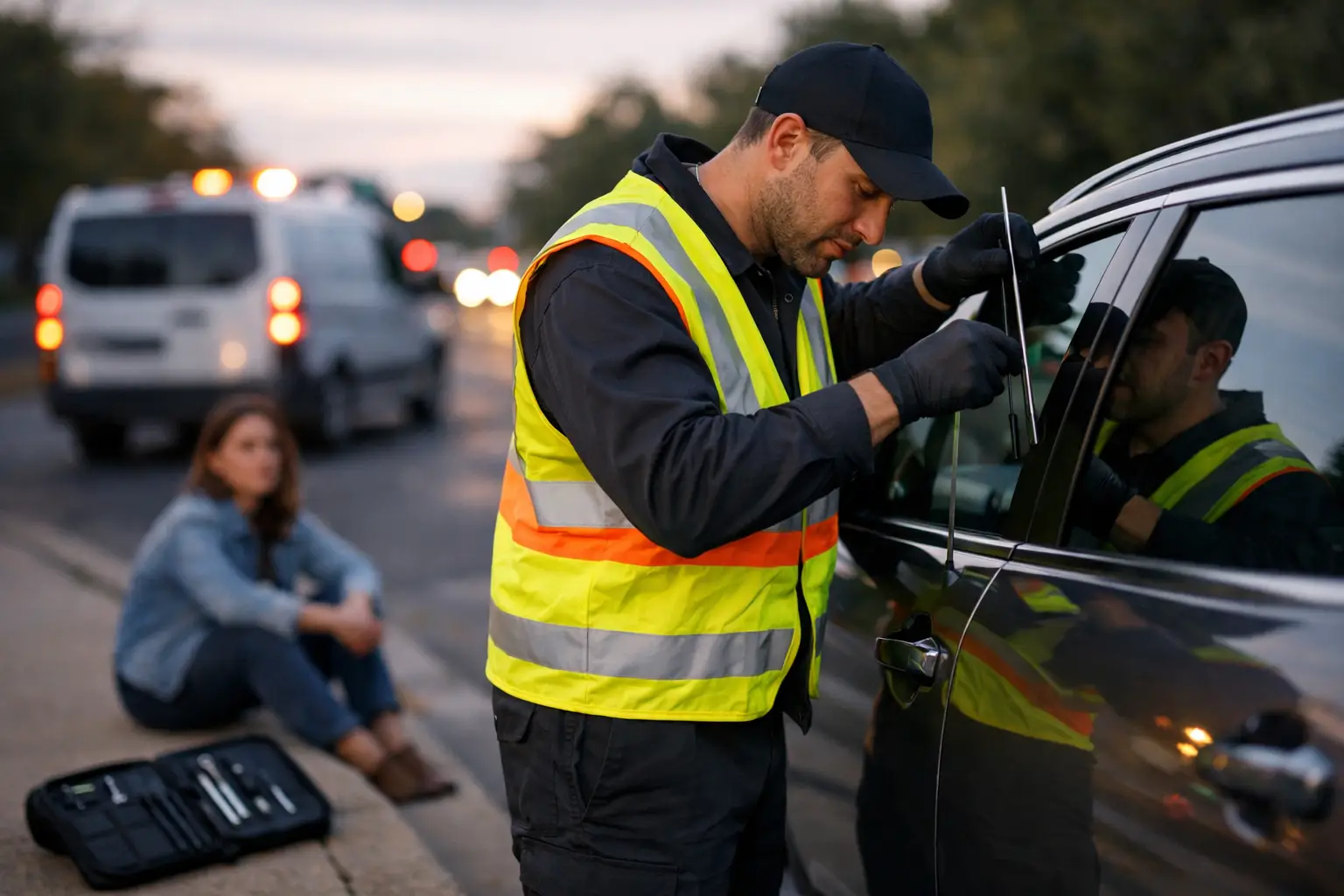
A car lockout usually happens at the worst possible moment – groceries in the trunk, a child seat in the back, rain starting, phone battery low. If you are searching for how to unlock car without damage, the first thing to know is this: the safest method depends on your car, your keys, and why the car is locked in the first place.
Older vehicles sometimes allow careful non-destructive entry. Newer cars usually do not. Modern door seals, side airbags, deadlocks, and electronic security systems make DIY entry much riskier than people expect. A quick attempt with the wrong tool can leave you with a bent door frame, torn weather stripping, scratched paint, a broken latch, or an airbag fault that costs far more than a locksmith visit.
How to unlock car without damage – start with the lowest-risk options
Before touching the car, slow down for thirty seconds and check the obvious. Many lockouts are solved without any tools at all. Try every door, including the trunk or hatch, because one may still be open. If your car has a manufacturer app, check whether remote access is enabled. If you have a spare key at home, think about who can bring it and how long that will actually take.
If a child, vulnerable person, or pet is inside and there is any immediate risk from heat, cold, distress, or medical need, call emergency services right away. That is not a locksmith situation first. Safety comes before the vehicle.
If the key is visible inside the cabin, resist the temptation to improvise with coat hangers, screwdrivers, ruler blades, or wedges from the kitchen drawer. Those methods are exactly how doors get bent and trim gets damaged. They also work far less often on current vehicles than old movies suggest.
Know what type of lockout you have
The right response changes based on the problem. A key locked in the car is different from a lost key, and both are different from a broken key or failed fob.
If the keys are locked inside, the goal is clean entry without harming the locking system. If the key is lost, entry may only be half the job because you may also need a replacement key cut and programmed. If the fob battery is dead, there may still be a manual key hidden inside the fob, or a backup start procedure listed in the owner manual. If the key has snapped in the door or ignition, forcing anything usually makes extraction harder.
This is where people lose money by guessing. They focus on opening the door and miss the actual fault. A trained automotive locksmith looks at the vehicle, lock type, and key system before choosing a method.
When a DIY attempt might be reasonable
There are a few situations where a careful owner may be able to regain access without damage. The key word is careful.
A manual lock on an older car with a simple upright lock button is very different from a late-model vehicle with shielded linkages and tight double seals. If your vehicle is older, the key is definitely inside, and you have access to proper automotive entry tools, a non-destructive opening may be possible. Proper tools matter because they are designed to create controlled space and reach the correct linkage point without scraping metal or tearing seals.
Even then, success depends on the exact make and model. Some cars allow straightforward long-reach entry. Others have layouts that make accidental damage more likely. If you do not already know the entry point and lock mechanism, trial and error is where problems begin.
Why household tools cause damage so often
People usually reach for what is nearby. That is where things go wrong.
A screwdriver can chip paint and distort the top edge of the door. A wire hanger can scratch glass, cut weather stripping, or snag internal wiring. Plastic wedges not made for vehicle entry can slip and split trim. Slim jims are especially misunderstood. On many modern cars, using one blindly can catch rods, clips, vapor barriers, or wiring and leave the lock working worse than before.
Even if the door opens, the damage may not show immediately. Wind noise after a lockout attempt is often a sign the frame has been bent slightly. Water leaks can appear days later. A door that no longer closes with the same feel is another common result.
How professionals open cars without damage
Professional vehicle entry is less about force and more about control. An experienced automotive locksmith identifies the safest access point, uses purpose-built wedges and reach tools, and works with the vehicle rather than against it. On some models, lock picking may be the cleanest route. On others, controlled air wedging and long-reach access is safer. High-security laser-cut systems, deadlocked doors, and vehicles with more sensitive electronics may require a different approach again.
The difference is training and vehicle-specific knowledge. A professional is not guessing where to pull, press, or shield. They also know when not to attempt a particular method because the risk is too high for that model.
That matters more on newer cars with advanced anti-theft systems. It also matters when the issue is not just entry, but a faulty lock, failed ignition barrel, damaged key blade, or a transponder problem that will still leave you stranded after the door is open.
How to unlock car without damage on newer vehicles
If your car is relatively new, luxury, or fitted with keyless entry, the safest answer is usually to stop before trying anything physical yourself. Modern vehicles are less forgiving. Tight tolerances leave little room to work, and many have side airbags near the door area. Window frames, trim clips, and weather seals are more expensive than they look.
There is also the security side. Some vehicles enter a deadlock state where interior handles will not release the door in the usual way. Others have shielded lock components designed specifically to defeat common bypass methods. What worked on a ten-year-old sedan may be useless on a current SUV.
If you rely on the vehicle for work, school runs, or daily commuting, the cheapest route is usually the one that avoids extra repairs. That often means calling a mobile automotive locksmith from the start.
What to do while you wait for help
Once you decide not to force the issue, a few simple steps can keep things moving. Move to a safe place if you are roadside. Keep your phone charged if possible. Have your registration and ID ready if they are available, because proof of ownership may be requested before entry.
It also helps to note the exact make, model, year, and what happened. Did the fob stop working suddenly? Is the key in the trunk? Did the lock button drop while the engine was running? Small details save time because they help the technician bring the right tools and prepare for whether this is just an entry job or a key issue too.
For drivers in South London and nearby areas, a local mobile specialist can often reach you faster than a dealer process ever will. That is one reason many customers call a company like Auto Tech Car Keys for lockouts, broken keys, and replacement key work on-site rather than arranging towing and waiting days.
How to avoid the next lockout
Most lockouts are preventable, but only if you fix the weak point that caused this one. If your fob battery is inconsistent, replace it before it fails completely. If you only have one working key, get a spare made while you still have a usable original. If your key shell is cracked, buttons are failing, or the blade is loose, repair it before it becomes an emergency.
Habit helps too. Check for your keys before shutting the door, especially when unloading kids, bags, or tools. If your vehicle allows app-based access, set it up now, not later. These are small steps, but they beat standing in a parking lot hoping a coat hanger trick from the internet will save the day.
When calling a pro is the right move
If the car is newer, the key is lost, the fob is dead, the key is broken, or you do not have proper automotive entry tools, professional help is usually the right move immediately. The same goes for any situation where damage will cost more than the service call. That includes leased vehicles, high-end models, and any car with frameless windows or sensitive trim.
A good automotive locksmith should be clear about response time, pricing, and what the job may involve. Straight answers matter when you are stressed and trying to make a quick decision.
The best lockout fix is the one that gets you back in the car without turning a bad moment into bodywork, glass repair, or a ruined lock.