
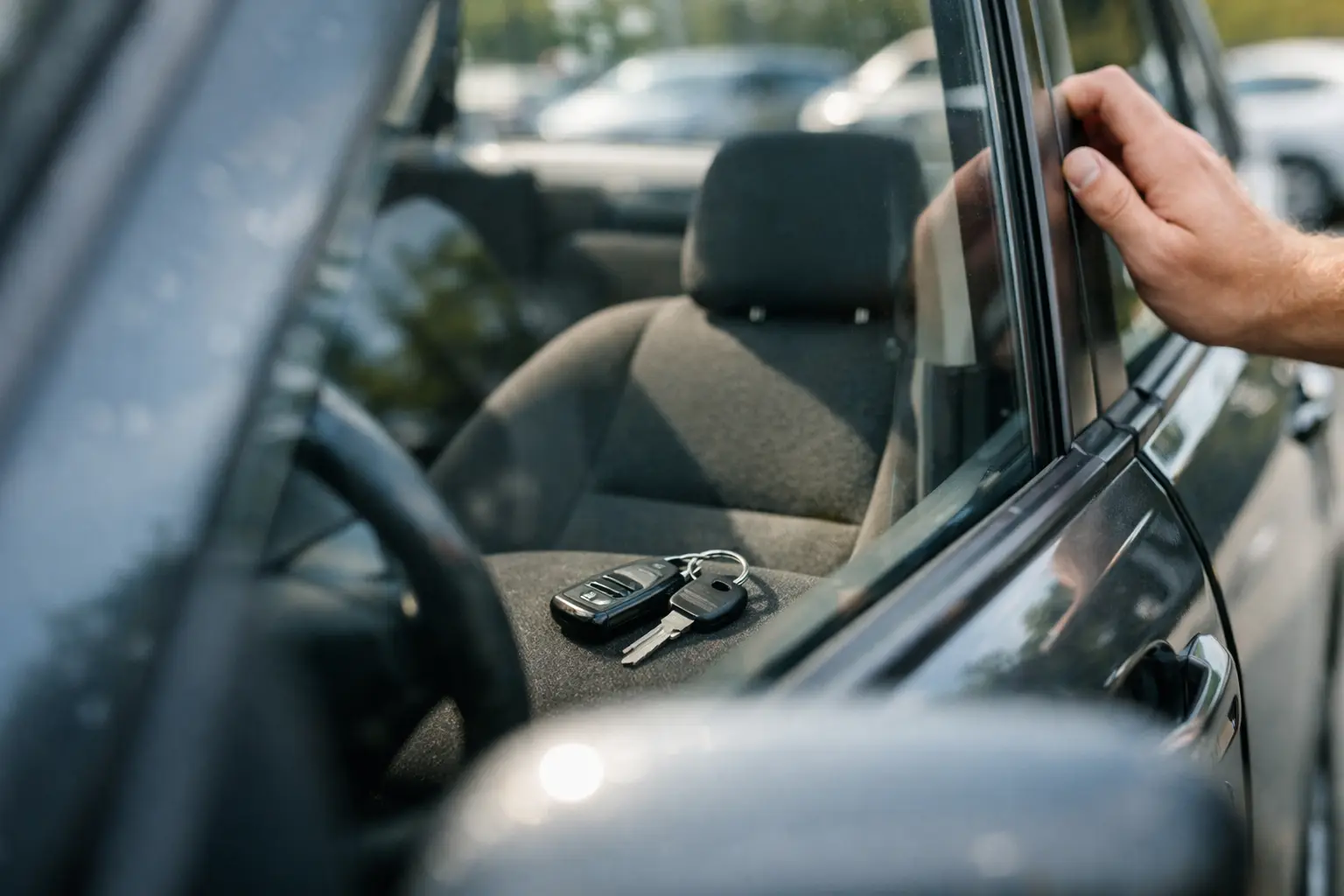
You shut the door, hear the click, and then spot the keys on the seat. A locked keys in car situation can ruin a workday fast, especially if you are parked in a hurry, carrying groceries, or trying to get the kids somewhere on time. The good news is that most car lockouts can be handled quickly if you avoid the wrong first move.
First steps when your keys are locked in car
Start with the obvious, but do it carefully. Check every door, the trunk, and if your vehicle has one, the rear hatch. On some cars, one door may still be open even when the others are not. If you have a key fob, try the buttons again from a few feet away and then closer to the vehicle. Weak battery signal, interference, or a delayed response can make it seem like the car is fully locked when it is not.
If a child, pet, or vulnerable passenger is inside, this is no longer a routine inconvenience. It is an urgent safety issue. Call emergency services right away if there is any immediate risk from heat, cold, distress, or a running engine. Getting into the vehicle quickly matters more than protecting the lock hardware.
If everyone is safe and the car is secure, take a minute before trying anything else. That short pause can save you from turning a simple lockout into a damaged door, broken weather stripping, or an expensive window replacement.
What not to do in a locked keys in car situation
The biggest mistake drivers make is trying to force entry with the wrong tools. Coat hangers, screwdrivers, kitchen knives, and random bits of metal often do more harm than good. Modern vehicles are not built like older models, and the space around the door frame is tighter than many people expect.
Even if you manage to create a gap, you can easily scratch paint, tear seals, bend the frame, or damage internal lock linkages. On newer vehicles, there is another risk. Side airbags, wiring, sensors, and electronic locking systems sit behind the trim and around the door structure. A quick DIY attempt can turn a lockout into a repair job.
Breaking a window is also a last-resort move, not a shortcut. It creates an immediate safety hazard, usually costs more than a professional entry service, and leaves your vehicle exposed until it is repaired. Unless there is a genuine emergency inside the car, it is rarely the right call.
Why modern cars are harder to open without damage
A lot of drivers still picture the old method of slipping a tool down the window channel and popping the lock. That can work on certain older vehicles, but many newer cars use shielded linkages, deadlocks, double-locking systems, and electronic security features that change the process completely.
Some vehicles also relock themselves automatically after a few seconds if the system thinks the car was opened by mistake. Others can disable interior buttons in certain conditions. If your keys are visible but the car will not respond, it may not be a simple mechanical lock issue.
This is where an automotive locksmith is different from a general locksmith. Vehicle entry is not just about opening a door. It means knowing how a specific make and model behaves, where access points are, and how to work around security systems without causing damage.
When calling a locksmith is the smart move
If you have tried the safe basics and still cannot get in, calling a mobile auto locksmith is usually the fastest and least expensive next step. That is especially true if you are stuck at work, on the roadside, outside a store, or late at night when waiting around creates more problems.
A trained technician will normally ask for your location, vehicle make and model, and whether the keys are visible inside. They may also ask if the engine is running, whether the fob battery might be dead, or if the trunk is accessible. That information helps them arrive with the right tools and a realistic expectation of the job.
Professional vehicle entry is designed to protect the car while restoring access. Depending on the vehicle, that might mean using specialist air wedges, long-reach tools, decoder methods, or model-specific non-destructive entry techniques. The goal is straightforward – open the vehicle cleanly and get you moving again without creating more cost.
For drivers in and around London, Auto Tech Car Keys handles this kind of call every day, which matters when speed and experience are both part of the solution.
How long does it usually take?
It depends on the vehicle, the locking system, and where the car is parked. Some lockouts are resolved in minutes. Others take longer because of deadlocks, limited access, weather, or a car that is wedged tightly in a parking structure.
Response time also depends on traffic, time of day, and technician availability. A good local mobile service should be upfront about that. Fast response matters, but honest timing matters too. If someone promises an unrealistic arrival just to secure the call, that usually creates more frustration.
The actual entry itself is often quicker than people expect once the right technician is on site. The delay is usually not the unlocking process. It is the time spent deciding what to do, trying risky DIY methods, or waiting on the wrong service.
What it may cost and what changes the price
There is no single flat rate for every lockout. Price can vary based on vehicle type, location, time of day, and whether the job is a straightforward entry or part of a larger key issue. For example, if the only problem is access, the visit may be simpler than a situation involving a failed fob, damaged lock, or key that snapped in the door or ignition.
Luxury vehicles, high-security systems, and certain European models can also require more time and more specialized methods. After-hours callouts may cost more than a daytime visit. None of that is unusual. What matters is clear pricing before the work starts.
If you are comparing options, ask whether the quote includes callout, entry, and any additional charges that may apply. Straight answers are a good sign. Vague pricing is not.
Can roadside assistance or the dealership help?
Sometimes, yes. If you have roadside coverage through your insurer, auto club, or vehicle warranty, it is worth checking. In some cases they can send help, though the actual provider may still be a local locksmith. The trade-off is timing. Depending on demand, coverage limits, and dispatch arrangements, roadside assistance can be slower than calling a specialist directly.
Dealerships are rarely the fastest answer for a simple lockout. They usually do not come to your location for vehicle entry, and if the problem turns out to be a key or programming issue, you may still face delays, towing, or a more expensive process than necessary. Dealership support makes more sense for certain warranty matters, but for immediate access problems, mobile service is often more practical.
How to reduce the chance of locking your keys inside again
Most lockouts happen during routine distractions. You are unloading bags, answering a call, buckling a child in, or rushing into a meeting. Prevention is less about gadgets and more about habits.
Keep your keys on your person before shutting any door. If you use a push-button start vehicle, do not place the fob in a cup holder, center console, or on the seat while stepping out for a second. That one-second stop is how a lot of lockouts happen. If you have only one working key, getting a spare made is one of the simplest ways to avoid a bigger problem later.
A spare does not just help with lockouts. It helps when a key stops working, the battery dies unexpectedly, or the original gets lost altogether. Replacing all keys from scratch is usually more expensive and more disruptive than making a backup while you still have a working one.
The best next move is the calm one
When your keys are sitting inside the car and you are standing outside, the pressure to act fast is real. Still, the best move is usually the calm one – check the safe basics, avoid forcing entry, and get the right help if the car stays locked. A professional lockout service exists for exactly this moment, and using one early can save time, damage, and a lot of unnecessary stress.
If it happens again, do not waste energy blaming yourself. It is common, it is fixable, and the right technician can usually have you back in your car sooner than you think.